 Skip to main content




Your motorcycle injury recovery journey is often a challenging process that requires a high level of patience and a great medical team.
Unlike accidents involving passenger cars, where a steel frame offers protection, a motorcycle crash involves a direct transfer of force that often leads to multiple injuries at once.
This results in a healing process that must occur in specific stages, requiring a positive mindset and a focus on long-term health from the very first day.
At High Stakes Injury Law, we believe that your only job right now should be getting stronger and staying hopeful about your future.
Efficient Rehab Time: Key Takeaways
- Impact force is absorbed directly by the rider, which often results in severe injuries that require specialized medical attention and time to mend.
- A successful healing journey depends on following a precise medical plan that balances restorative rest with active physical therapy sessions.
- Securing the right support for your needs ensures you have the financial freedom to choose the best doctors for your specific situation.
Understanding Motorcycle Accident Recovery
Healing from a motorcycle crash is a major life event that requires both patience and a very positive mindset. Because bikes do not have the steel frames or airbags found in cars, your body is much more exposed during an impact. According to the National Highway Traffic Safety Administration (NHTSA), in 2023, motorcyclists are 28 times more likely than car occupants to die in a crash per mile traveled, and 5 times more likely to be injured. This statistic shows why these accidents are so serious and why your body needs extra time and care to fully bounce back.
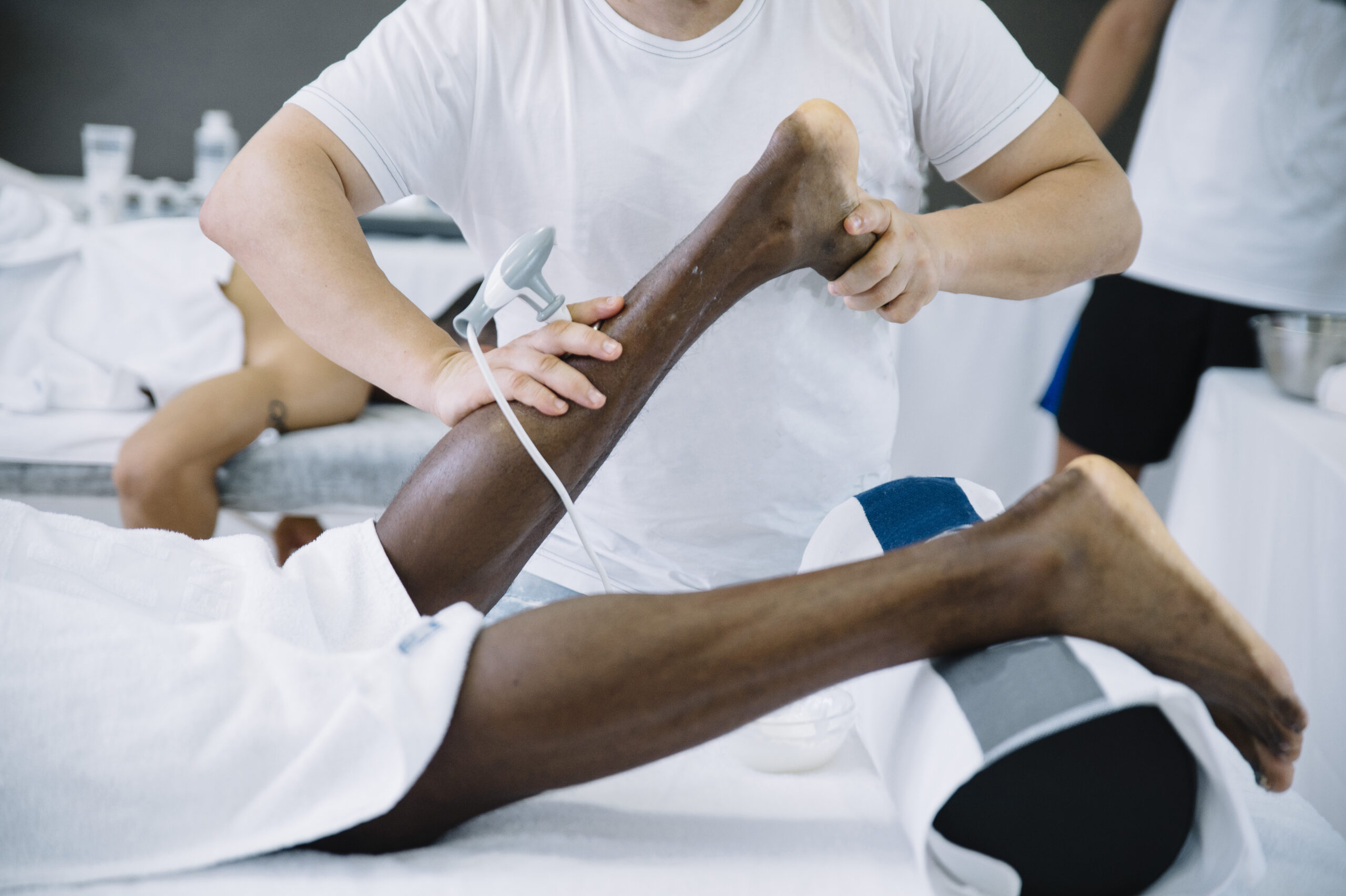
Motorcyclist receiving treatment during accident recovery
What to Expect During the Recovery Process
The path to wellness usually progresses through four clear stages, each with its own health goals.
First is the Acute Phase, where doctors work to stabilize you and perform any necessary surgeries right away to save lives.
Next is the Sub-Acute Phase, where the focus shifts to managing swelling and ensuring your internal systems function properly.
Finally, the Rehabilitative and Maintenance phases help you regain mobility and strength as you adjust to your new daily routine.
Common Challenges in Motorcycle Crash Recovery
One of the biggest hurdles for many riders is polytrauma, which is a medical term for having multiple severe injuries at the same time. A 2024 multicenter study from the National Institutes of Health (NIH) showed that while leg injuries are common, they often happen alongside chest or abdominal trauma. When this happens, your body has to prioritize its healing by focusing on your most vital organs first.
Evaluating Your Motorcycle Injury Recovery
Almost every rider we talk to wants to know exactly when they can get back to their normal life after a crash. While everyone heals at their own pace, a full recovery from a motorcycle injury typically takes between 6 months and 2 years. This might sound like a long time, but breaking it down into smaller goals can help you stay motivated and happy. Celebrating small wins, like the day you first walk without help, can keep your spirits high during this process.
Factors Affecting Recovery Duration
Several factors can influence your personal recovery timeline and how quickly you feel like yourself again. Younger bodies often have a slight edge in cell repair, but a healthy lifestyle helps riders of all ages heal faster. Accidents at higher speeds generate greater force, which can cause deeper tissue damage that requires more time. Additionally, wearing high-quality helmets and jackets can significantly reduce the severity of your injuries and shorten your hospital stay.
Typical Healing Period for Various Injuries
Every injury has its own clock, and your medical team will help you track your progress throughout the months. Simple bone breaks might feel solid in about two or three months, but you will likely need more time to get your full strength back. If you have a more complex break that needs pins or plates, it could take up to a year for the bone to be fully stable. Head injuries are unique because the brain needs a very quiet and low-stress environment to rewire itself and heal properly.
Recovery After Motorcycle Accident Head Injury
Traumatic Brain Injuries are sometimes called quiet injuries because you cannot see the damage from the outside. Even if you were wearing a great helmet, the brain can still be shaken inside the skull during a sudden stop. This type of injury requires plenty of rest and a very gentle approach to daily tasks as you heal. We want you to know that with the right therapy, the brain is incredibly good at finding new ways to help you regain your clarity.
Signs and Symptoms of Head Injuries
It is very normal for head injury symptoms to show up a few days or even weeks after the initial accident. You might notice things like a lingering headache, feeling extra sensitive to light, or having a harder time falling asleep. Some riders also feel a bit more frustrated or foggy than usual during their day. If you notice these things, do not worry; it is just your brain telling you it needs more rest to get better.
Treatment Options for Head Trauma
Healing from a brain injury is all about neuroplasticity, the brain’s amazing ability to repair itself over time. Early on, your doctor will likely suggest brain rest, which means taking a break from phones, computers, and even reading. As you start to feel better, you might work with specialists who help you with balance or memory exercises. In places like Nevada and Arizona, there are many wonderful centers that specialize in helping riders through this exact type of recovery.
Long-Term Effects and Complications
The Centers for Disease Control and Prevention (CDC) explains that some head injuries, like a mild TBI or concussion, can cause changes in how you feel, think, act, or sleep. In some cases, a rider might need a little extra help with daily chores, which is known as long-term care. Our team works hard to ensure you have the money you need to pay for this help, so you can focus on your happiness. Having that financial safety net lets you breathe easier and stay positive during your journey toward wellness.
Bone and Joint Trauma in Motorcycle Accidents
The lower half of the body usually absorbs much of the force during a crash, which can lead to complex injuries to bones and joints. Because these parts of your body carry your weight, they need to be extra strong before you start moving around normally. While it can be frustrating to stay off your feet, this time allows your bones to build a solid foundation. With modern surgery and therapy, many riders can regain their full mobility and return to the things they love most.
Types of Bone Injuries Commonly Sustained
Motorcycle accidents often cause shattered bones rather than simple fractures, which is why surgeons sometimes use hardware to keep everything in place. Leg bones, such as the tibia and fibula, are the most common areas to be injured when a bike falls during an accident. Pelvic injuries are also closely monitored because they require you to stay very still while they heal. While this part of the rehab time can feel slow, it is vital to ensuring your body stays strong for the long haul.
Recovery Techniques and Rehabilitation
One of the best ways to heal joints is through water therapy, where you can move without bearing your own weight. As you get stronger, you will graduate to using bars, walkers, and then crutches for support. Each step is a huge win for your health and your independence. This careful progress ensures your surgical sites stay safe while your muscles regain strength.
Road Rash Complications
Road rash is often thought of as just a bad scrape, but it is actually a serious skin injury that requires extensive care. Treating road rash correctly from the start is the best way to prevent scars and keep your skin feeling comfortable. Your medical team will focus on keeping the area very clean and hydrated at all times. This helps the new skin grow back as healthy and strong as possible.
Understanding the Severity of Road Rash
Doctors look at road rash in degrees, much like they do with heat burns. First-degree burns are like a bad sunburn, while third-degree burns are much deeper and might require a skin graft to help them heal. No matter how it looks, every bit of road rash needs to be treated with care to avoid painful infections. By keeping up with your bandage changes, you are doing a great job of protecting your body from further harm.
Treatment and Aftercare for Road Rash
The most important goal when treating road rash is to keep germs away while your body forms new skin. This often involves debridement, which is just a fancy word for thoroughly cleaning the wound. While this can be a bit uncomfortable, it is the best way to ensure you heal quickly and avoid a longer rehab. Keeping the area moist and covered helps the new skin grow smoothly, preventing it from feeling tight or itchy later on.
PTSD and Emotional Trauma After an Accident
It is very common for the mind to need as much healing as the body after a big accident. Many riders feel a bit nervous or on edge when they are back on the road or even just thinking about their crash. This is a very normal response to a scary event and is nothing to be ashamed of. Talking to someone who understands trauma can make a world of difference for your mental health and your overall happiness.
Recognizing PTSD Symptoms in Riders
Sometimes, the stress of an accident can turn into PTSD, which can make you feel like you are re-living the crash through flashbacks. You might also find yourself wanting to avoid the scene of the accident. These feelings are simply your brain trying to protect you from more stress. By working with a counselor, you can learn how to turn off these stress responses and feel calm and safe again.
Support Options and Coping Strategies
There are many great therapies, like CBT or EMDR, that are specifically designed to help people move past a traumatic event. These treatments are very effective and can help you feel like yourself again much faster than trying to tough it out on your own. A total motorcycle injury recovery includes your emotional well-being, so we always encourage our clients to reach out for this support. You deserve to feel happy and at peace as you move forward with your life.
Contact High Stakes Injury Law Today
If you or a loved one is working through the challenges of an accident, we want you to know that we are here for you.
Contact High Stakes Injury Law today for a free talk about your situation, or call (702)-256-4566
You are more than just a case to us because you are a person who deserves a bright and healthy future.
Let us help you find the best path forward.
Long-Term Care: Bottom Line
Facing a long journey can be tough, but with the right team in your corner, you can absolutely achieve a full motorcycle injury recovery. Modern medicine and expert legal help are here to make your journey smoother and more successful. Stay focused on your daily wins, trust in your body, and know that your future is bright. Your strength and your happiness are worth every bit of the effort you are putting in today.
Healing from an accident raises many questions for riders and their families. Here are the five most common things riders ask during their journey.
Why does my body feel so tired all the time?
Healing uses up a massive amount of energy, even if you are just sitting still in a chair. Your body is busy building new cells and repairing tissues, so it is normal to need extra naps and plenty of rest.
When can I start exercising again?
Your doctor and physical therapist will tell you exactly when it is safe to start moving with more intensity. It is important to wait until they give you the green light so you do not hurt a healing bone or muscle.
Is it okay to feel frustrated with how long this recovery is taking?
Absolutely, because it is very natural to want to be back to normal right away. When you feel this way, try to look back at how far you have already come since the day of the crash to see your progress.
Will my insurance pay for a physical therapist?
Most insurance plans do cover physical therapy, and our team works hard to ensure your legal settlement covers any additional costs. We want to ensure you get all the sessions you need to feel your very best.
What if I need help at home after I leave the hospital?
This is what long-term care support is for in your legal case. We calculate these costs into your settlement to make sure you can afford a home health aide or any modifications your house might need.
About Our Law Firm
High Stakes Injury Law is a premier legal team dedicated to providing high-level advocacy for families across the Southwest. Our firm is built on a foundation of toughness in the courtroom and deep, genuine compassion for every client we serve. We take great pride in our reputation for successfully handling complex cases and securing the resources our clients need to rebuild their lives. While our founder, Scott Poisson, has practiced in Nevada, Arizona, New Mexico, and Florida since 1993, the true heart of our firm lies in our entire staff’s shared commitment to treating your recovery as our highest priority.